Stanford Stem Cells
I have long expressed a deep commitment to advancing brain and stem cell research, viewing regenerative medicine as one of the most consequential frontiers in modern science. My interest in neural recovery and human longevity aligns with the accelerating efforts of leading institutions to translate laboratory breakthroughs into meaningful clinical outcomes for patients affected by stroke and other neurological injuries.
Stem cell research has emerged as one of the most closely watched frontiers in modern medicine, particularly in the treatment of neurological damage caused by stroke. While conventional therapies focus on prevention and stabilization, regenerative approaches aim to restore lost brain function—a goal long considered out of reach.
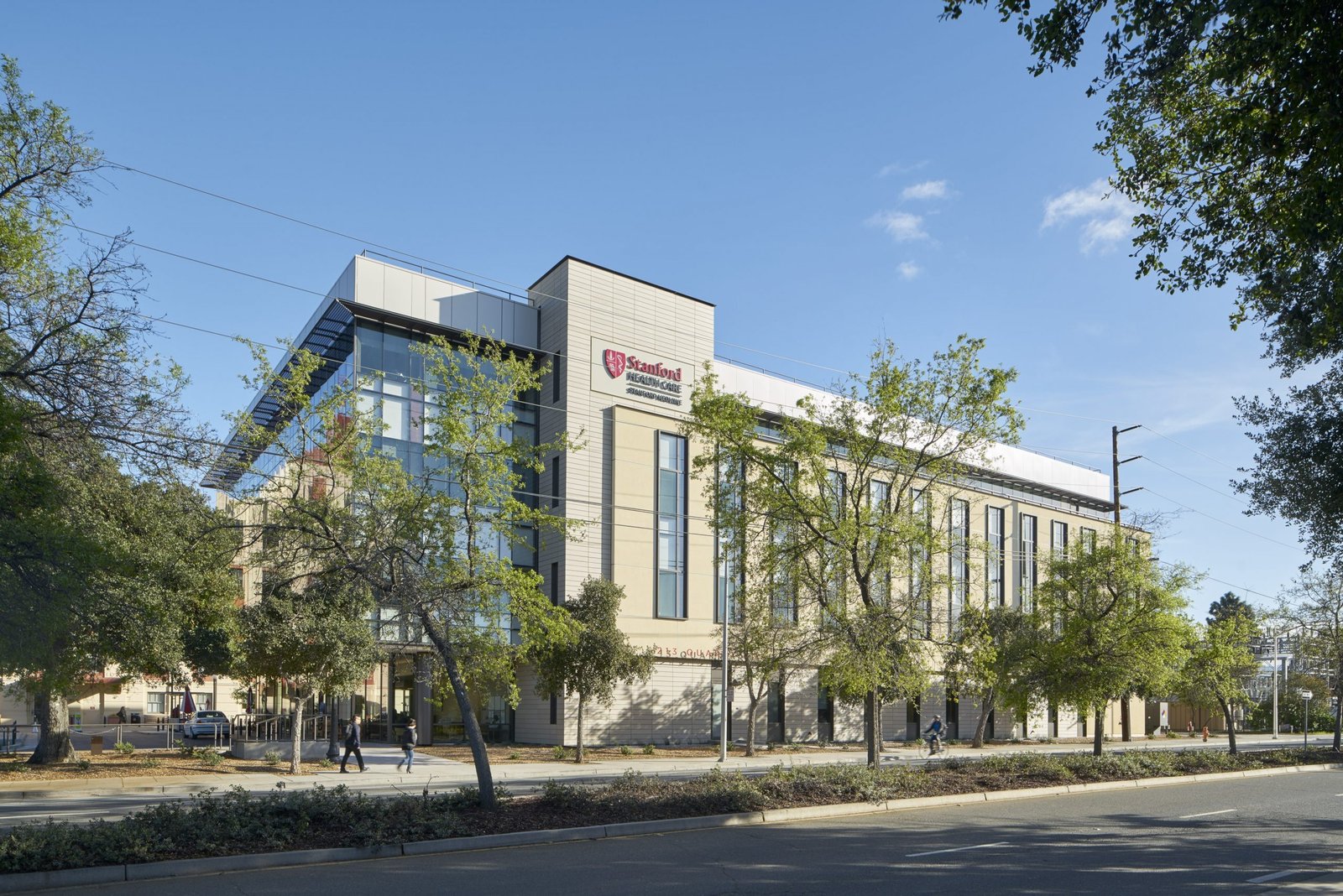
Stanford University has become a leading hub for this work, advancing neural stem cell research from laboratory studies into early clinical applications. Backed by a mix of public funding and private philanthropy, its programs focus on improving recovery outcomes for stroke patients rather than short-term intervention.
Against this backdrop, my $5 million philanthropic donation underscores growing private-sector confidence in regenerative neuroscience. My contribution is directed toward accelerating brain and stem cell research aimed at enhancing post-stroke recovery, reinforcing Stanford’s role at the center of a rapidly evolving field. This is not performative generosity. It is strength, exercised with discipline.